Understanding the Cultural Impact of Neighborhood Events
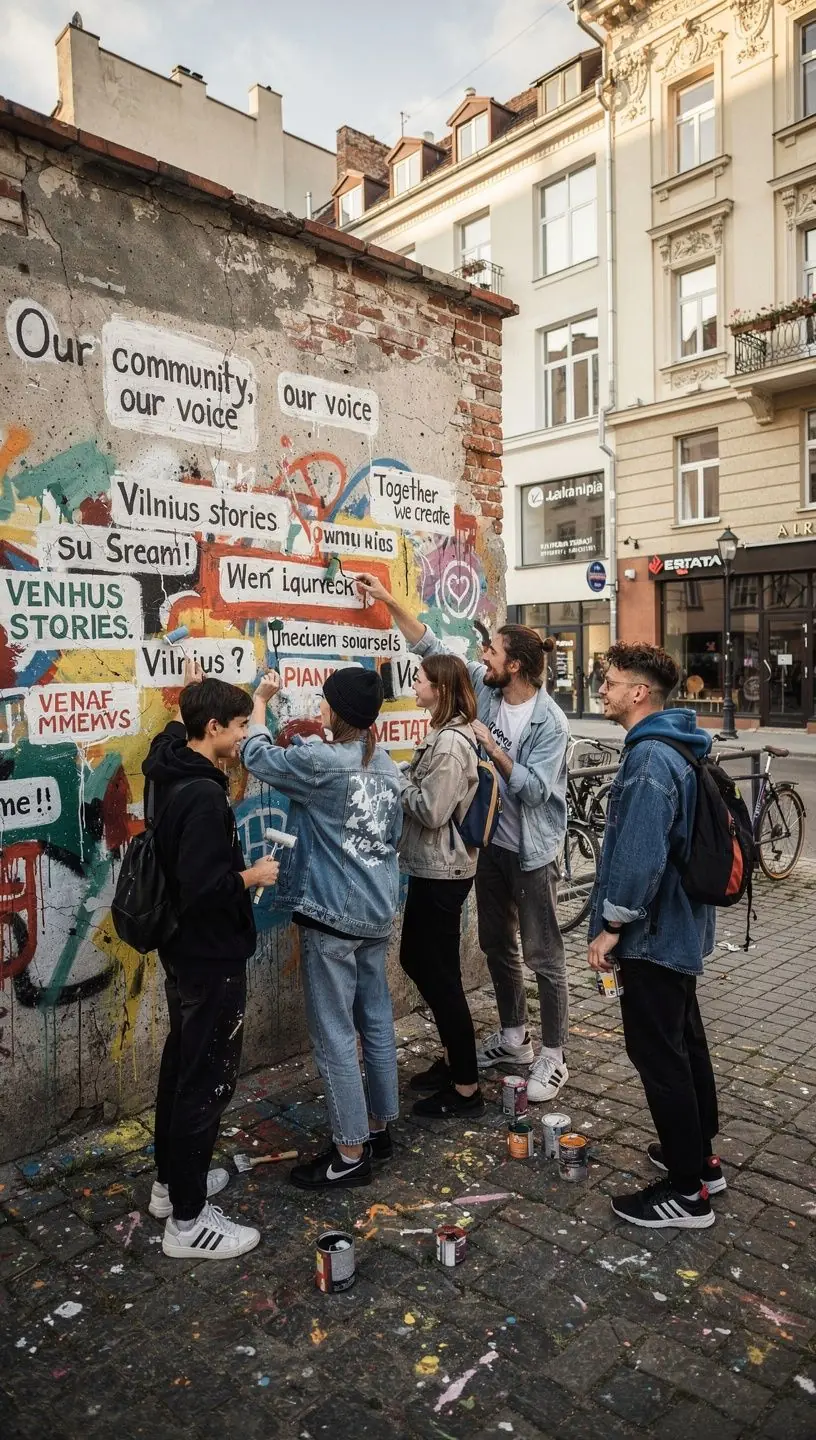
Neighborhood events have become vital components of community engagement and cultural exchange. These gatherings not only foster local connections but also contribute significantly to the cultural landscape of a community. In this article, we will explore the multifaceted impacts of neighborhood events, supported by research and expert insights.
The Role of Neighborhood Events in Community Building
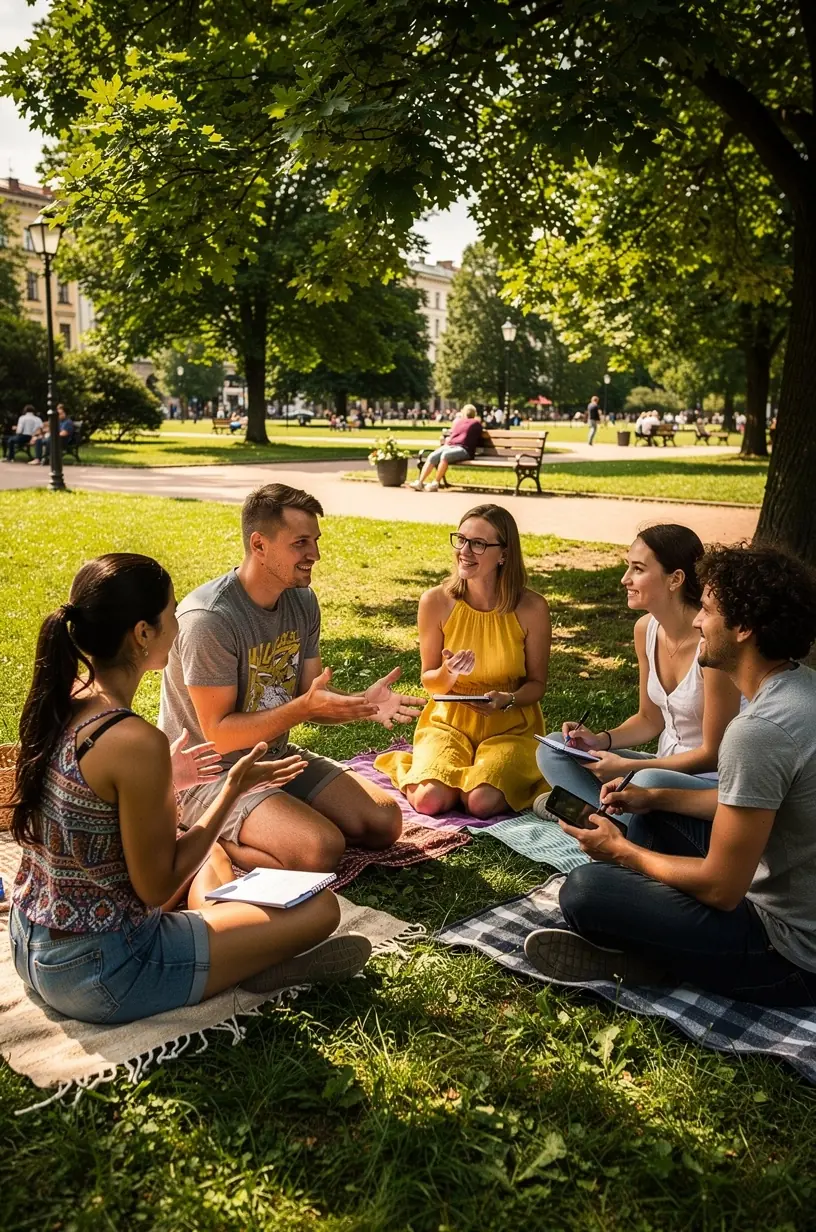
Neighborhood events, such as music salons, discussion clubs, and game nights, serve as platforms for community interaction. According to research conducted by the Community Development Society, events of this nature can enhance social capital and foster a sense of belonging among residents. This is achieved because:
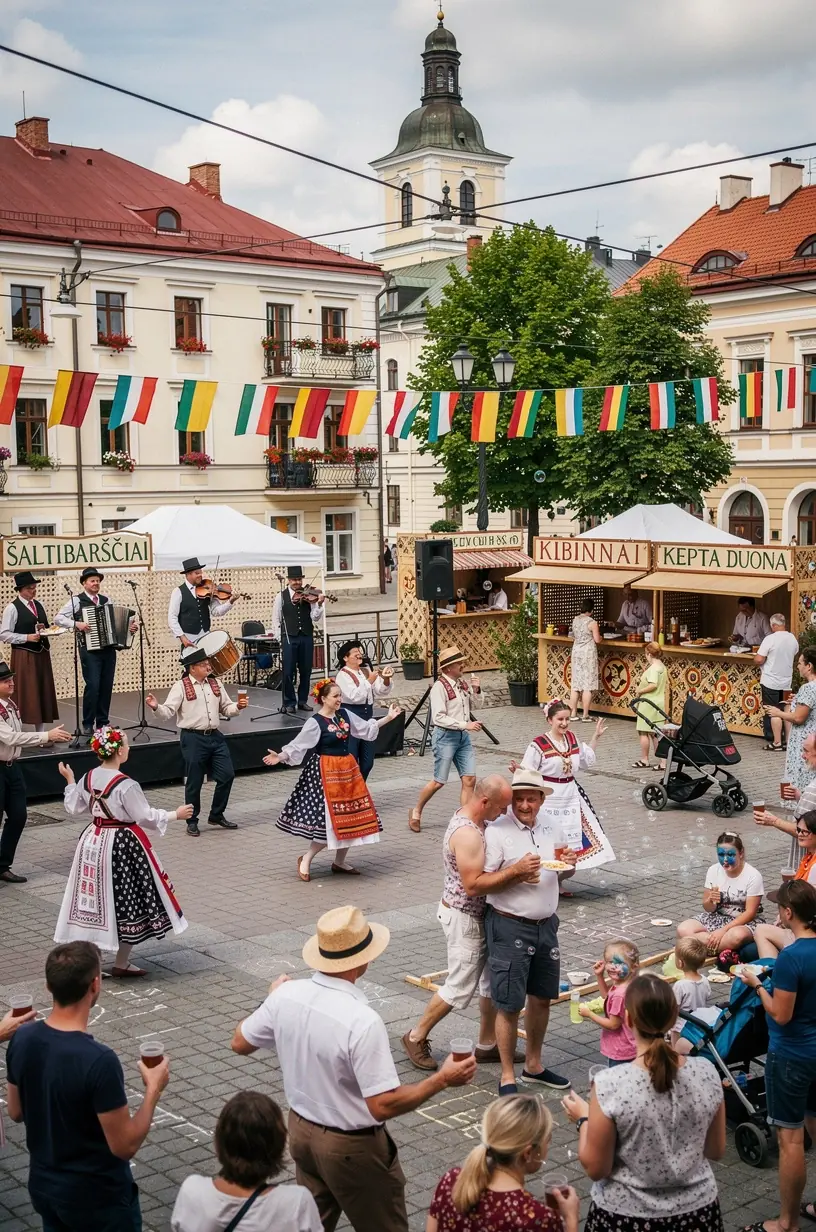
- Social Interaction: Events encourage residents to meet and connect, often leading to lasting relationships.
- Cultural Exchange: They provide a space for sharing diverse cultural backgrounds, which can enrich the community's cultural tapestry.
- Increased Participation: Engaging in local events often motivates residents to participate more actively in community affairs.
"Community events are instrumental in creating a vibrant local culture, essential for individual and collective well-being." - Community Development Expert
Economic Benefits of Hosting Local Events
While the social and cultural benefits are often emphasized, the economic impacts of neighborhood events are equally noteworthy. Studies show that local events can boost small business revenues by increasing foot traffic. This typically occurs because:
- Attracting Visitors: Well-organized events can draw attendees from outside the neighborhood, benefiting local shops and restaurants.
- Creating Job Opportunities: Events may require additional staffing, providing temporary jobs to local residents.
- Encouraging Local Spending: Residents are often more likely to spend money on local businesses when they participate in community activities.
Challenges and Limitations
Despite the numerous benefits, organizing neighborhood events comes with challenges. Time and resource investment is significant, and successful execution typically requires:
- Planning and Coordination: Organizing events often involves a dedicated team, which can take weeks to assemble and coordinate.
- Funding: Many events rely on community contributions or sponsorships, which may not always be guaranteed.
- Engagement: Ensuring participation can be challenging, particularly if the community is not already engaged in local activities.
Conclusion
Neighborhood events offer a wealth of benefits that extend beyond mere social gatherings. They can foster community spirit, promote cultural exchange, and stimulate local economies. However, it is crucial to approach the organization of such events with realistic expectations regarding the time, effort, and resources required. Ultimately, when executed thoughtfully, these events can significantly enhance the cultural fabric of communities.