Understanding the Role of Community Events in Local Engagement
Community events serve as a vital link between residents, fostering deeper connections and engagement within local neighborhoods. This article explores the significance of these events and how they contribute to a vibrant community culture.
Understanding the Basics
Community events are typically organized gatherings that bring residents together to celebrate, learn, and engage with each other. According to research by the National Endowment for the Arts, community involvement can significantly enhance social cohesion, leading to more resilient neighborhoods. Experts recommend participating in local events to strengthen community ties and improve overall well-being.

"Community engagement through events not only enriches the social fabric but also empowers residents to take an active role in their surroundings."
Why Community Events Matter
Engaging in community events can lead to multiple positive outcomes:
- Social Connections: Events provide a platform for residents to meet and interact, which helps in building relationships. Many users report feeling more connected to their neighborhoods after attending local activities.
- Local Pride: Celebrating local culture and achievements fosters a sense of belonging. Research indicates that neighborhoods with strong community pride often experience lower crime rates and improved local economies.
- Access to Resources: Events can serve as a hub for information sharing, allowing residents to learn about local services, initiatives, and support networks that may benefit them.
Types of Community Events
There are various formats for community events, each catering to different interests and demographics:
- Workshops and Classes: These can range from cooking classes to art workshops, offering educational experiences that encourage skill-sharing.
- Music and Art Festivals: Celebrating local talent not only showcases creativity but also attracts visitors, thereby boosting the local economy.
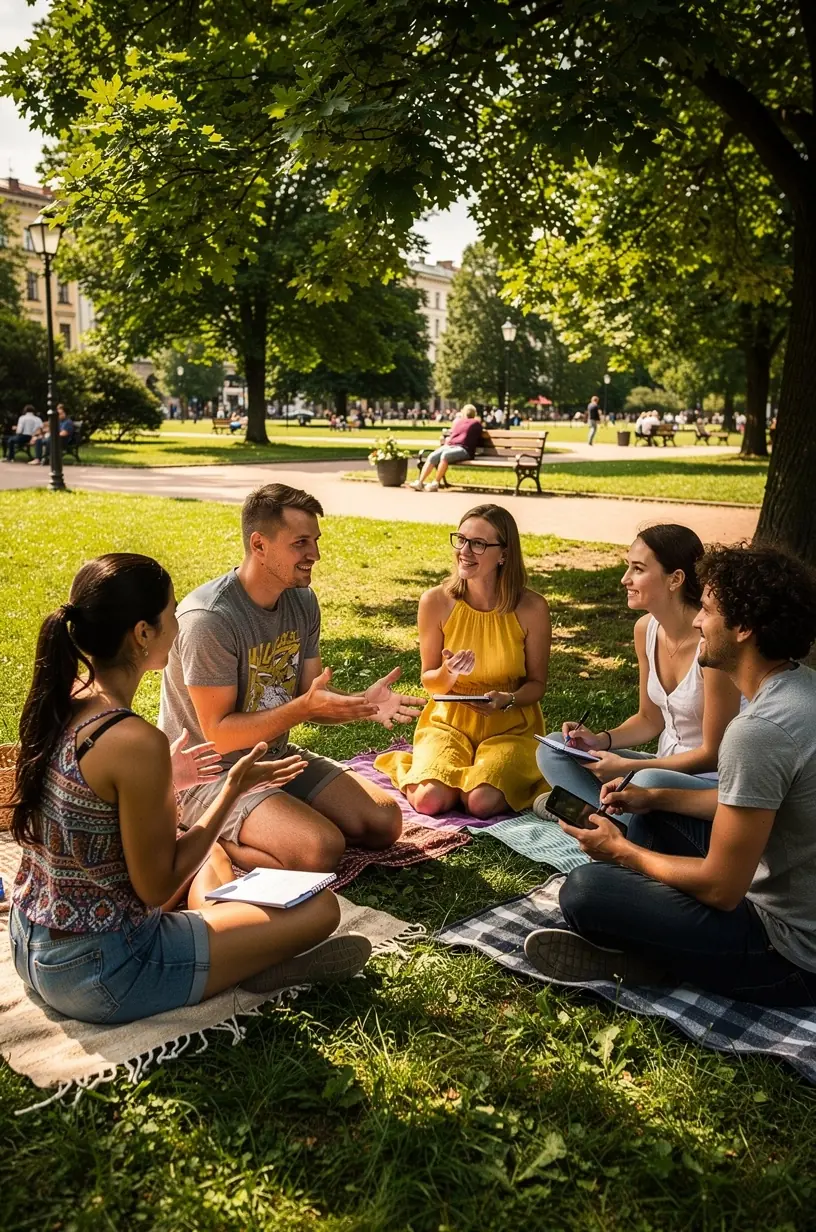
- Discussion Clubs: Facilitating conversations around relevant community issues can empower residents to voice their concerns and contribute to solutions.
Challenges and Limitations
While community events can be beneficial, they do come with certain challenges:
- Time Commitment: Organizing successful events typically requires significant planning and volunteer engagement, often taking weeks or even months to execute.
- Resource Allocation: Limited funding or resources can hinder the quality of events, making it essential for communities to work collaboratively to pool resources effectively.
- Engagement Variability: Not all residents may be interested in participating, which can limit the overall impact of these events. Strategies to encourage wider involvement are often necessary.
Conclusion
Community events play a crucial role in enhancing local engagement and fostering a sense of togetherness. By understanding the importance of these gatherings, residents can actively participate in shaping their neighborhoods. While challenges exist, the collective effort to create meaningful experiences can lead to a more vibrant and connected community. Embracing local events can help build lasting relationships and instill a greater sense of pride among residents.
Learn More